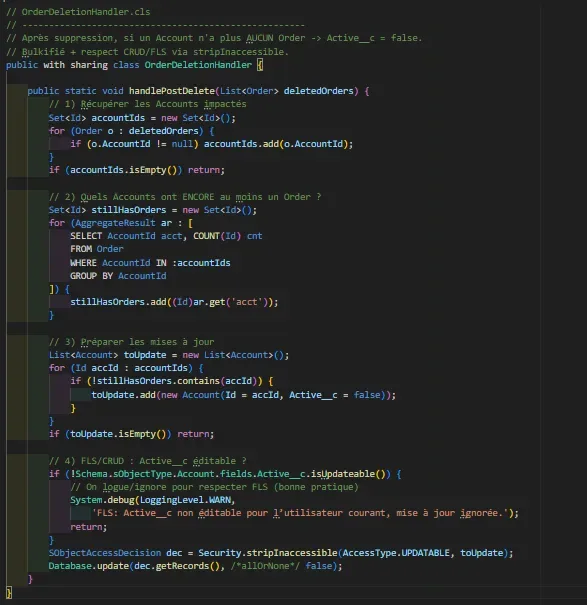

Full Apex backend (trigger + handlers, batch, scheduler) for iDEM Connect: 3 business rules implemented, 23 tests at 100% pass rate, 90% org-wide coverage, structured technical documentation with a requirements-to-tests traceability matrix.
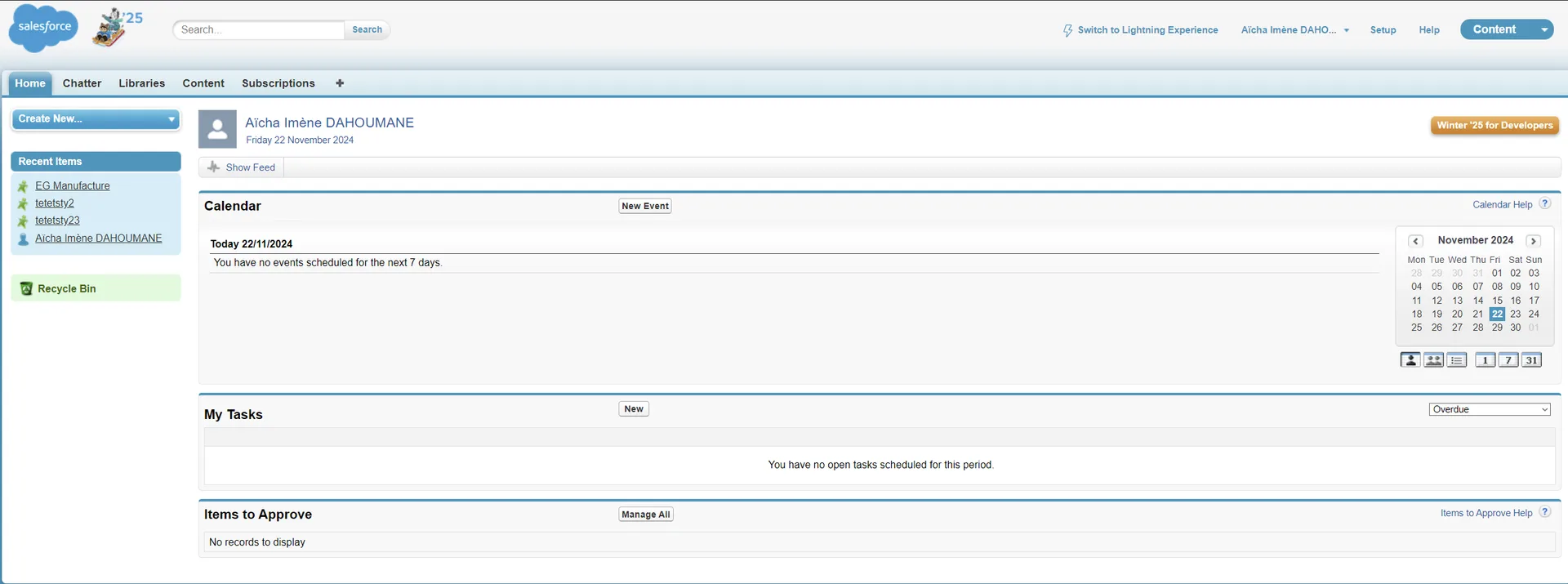

Technical specifications and Classic-to-Lightning migration prototype for EG Manufacture: converting a Visualforce page into a Lightning Web Component and a JavaScript button into an Aura Quick Action, with detailed cost estimates and risk management.
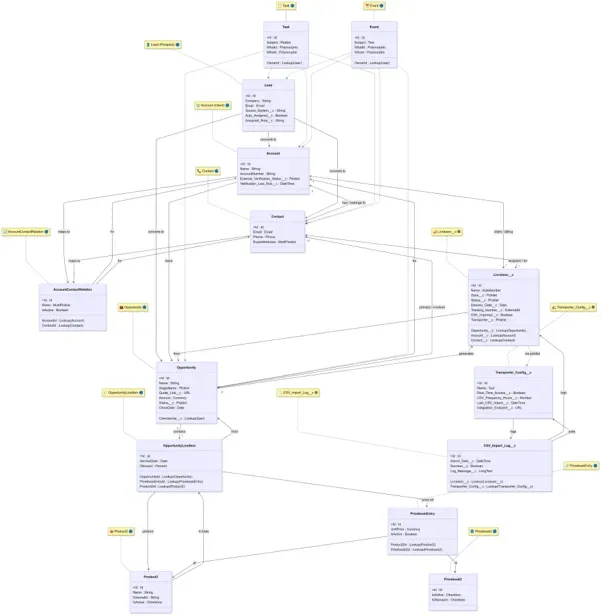

Complete design of a multi-carrier Salesforce delivery-tracking backend for Le Temps des Papillons: real-time architecture (Apex REST webhook + Queueable + LWC) for 2 carriers, Talend/Bulk API v2 batch flow for the 3rd, zone-based security model and import strategy for 2.1M accounts.
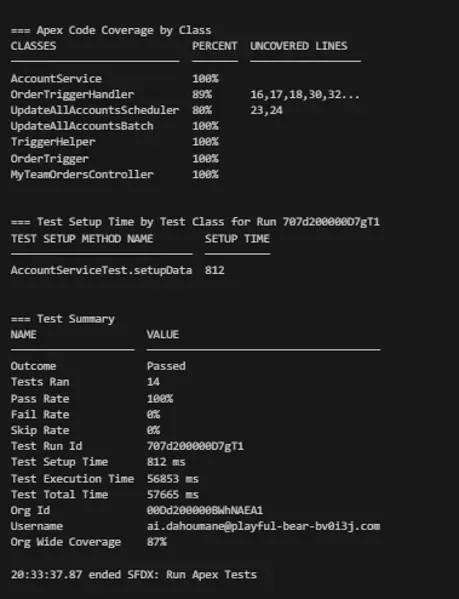

Audited and fixed a buggy Apex backend for FASHA: a trigger that broke past 100 orders per account, an amount calculation that silently failed on bulk import, code with no reliable tests — full refactor into a bulk-safe handler pattern, >85% coverage.


Deployment strategy and documentation: environments, release process, API tests, and production rollout with traceability.
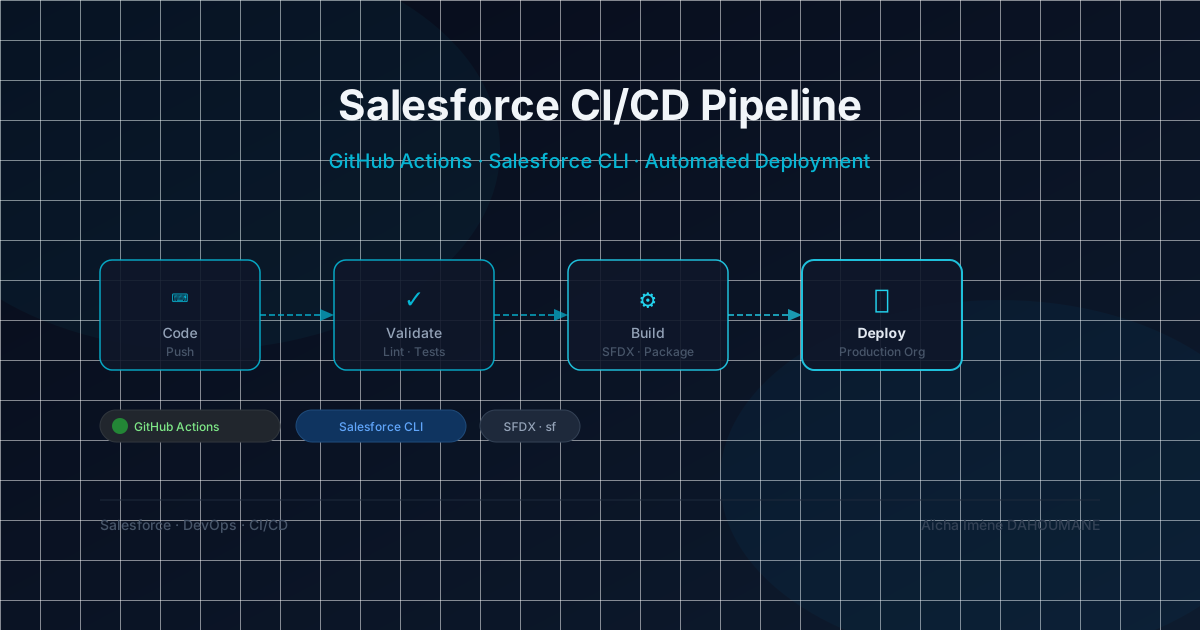

Design and implementation of a complete Salesforce CI/CD pipeline: Git branching strategy, automated Apex validations and continuous deployments via GitHub Actions across sandbox and production.

Daily fleet supervision at MIDRANGE GROUP: 550+ devices monitored in Datto RMM, antivirus coverage gaps closed via Quick Jobs, and client support delivered remotely via Splashtop.
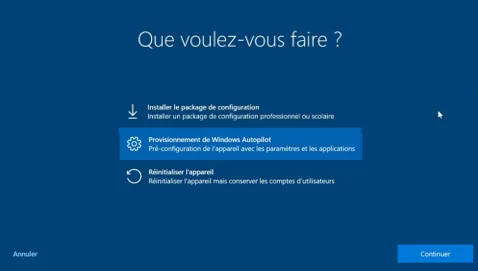

End-to-end workstation provisioning at MIDRANGE GROUP: Blancco certified wipe, Dell Image Assist WIM imaging, and Windows Autopilot enrollment for a 200+ laptop fleet.
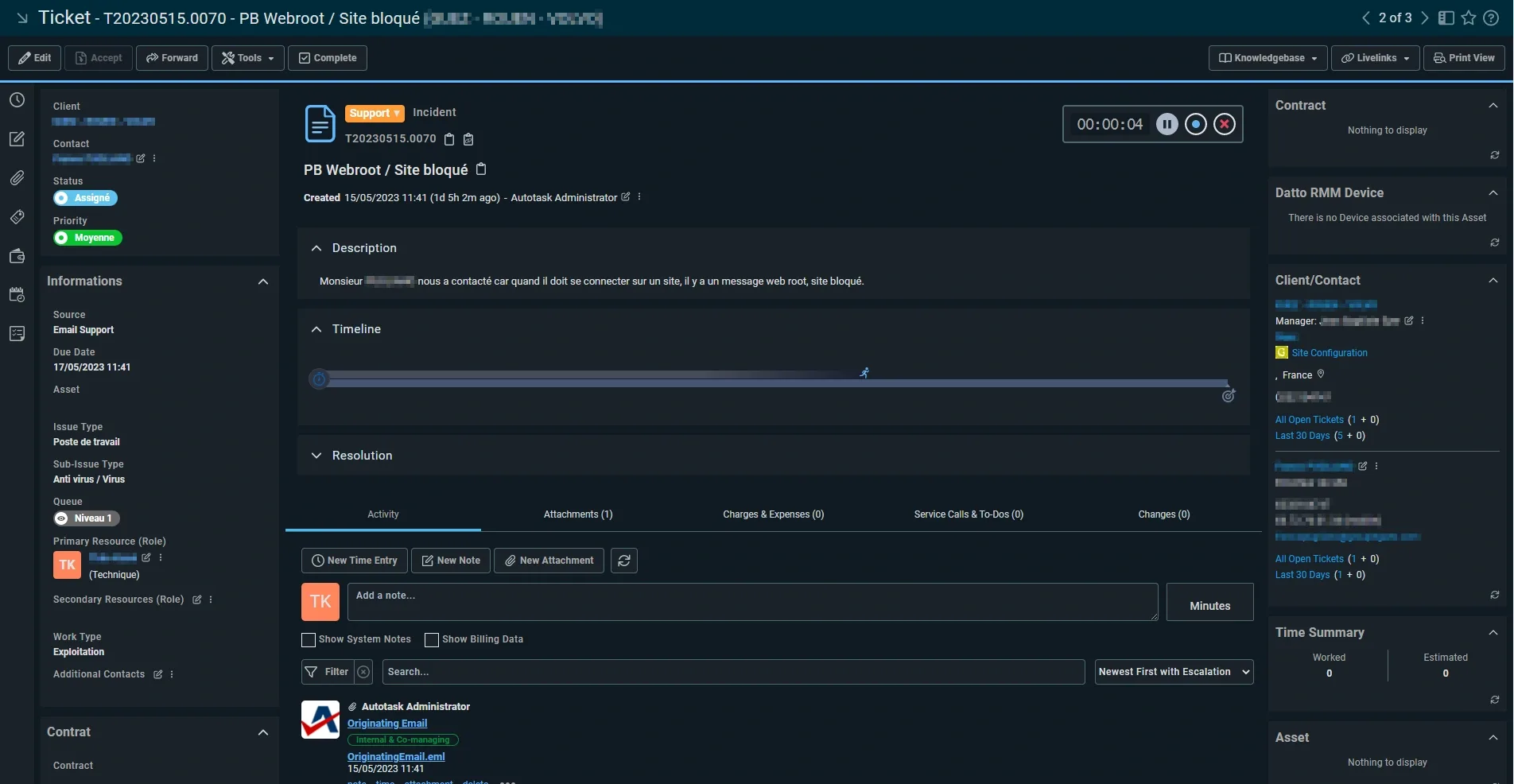

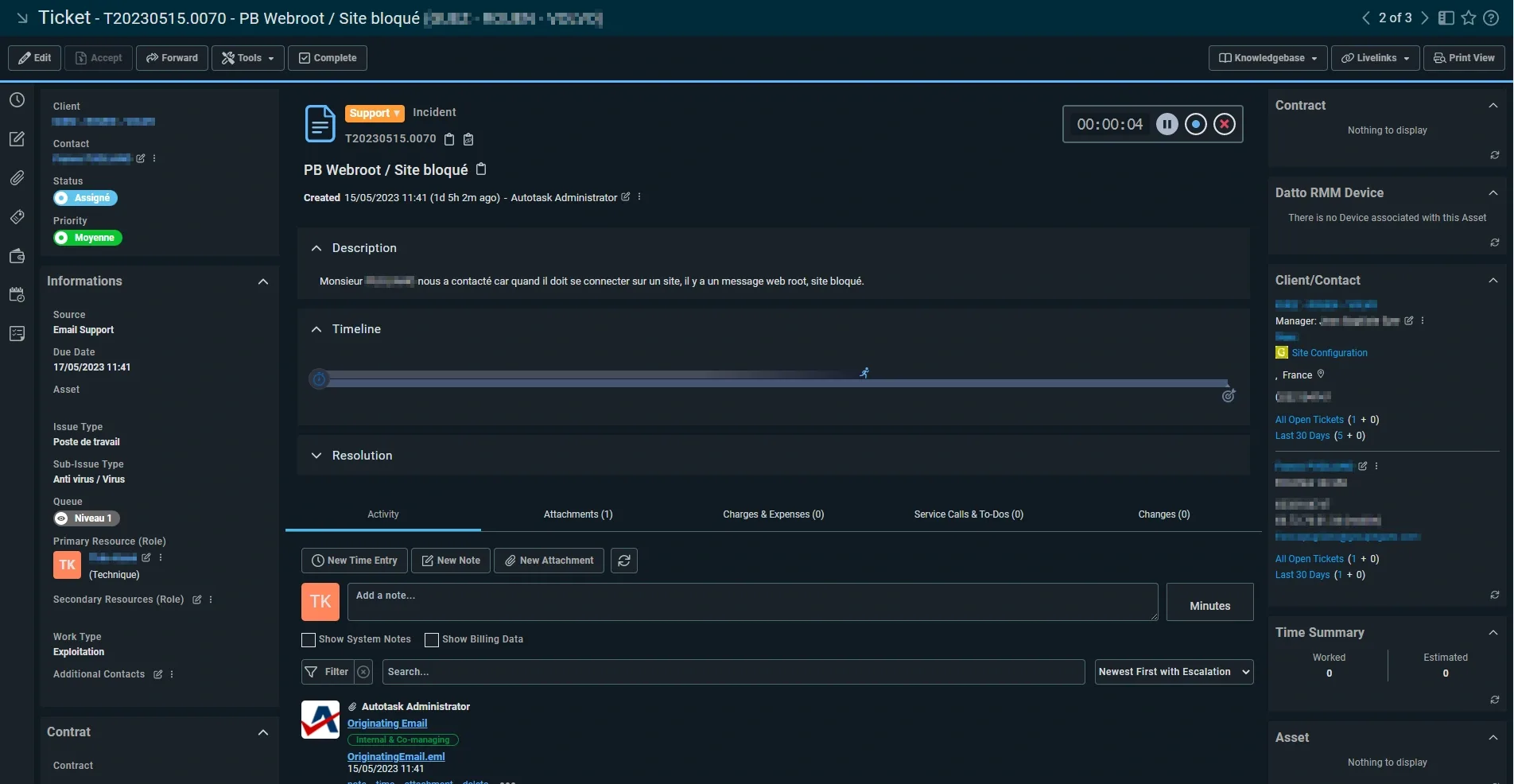
Tier-1/2 support at MIDRANGE GROUP MSP: ticket triage, remote resolution via Splashtop, and time billing in Autotask PSA — 316 open tickets managed across the client portfolio.
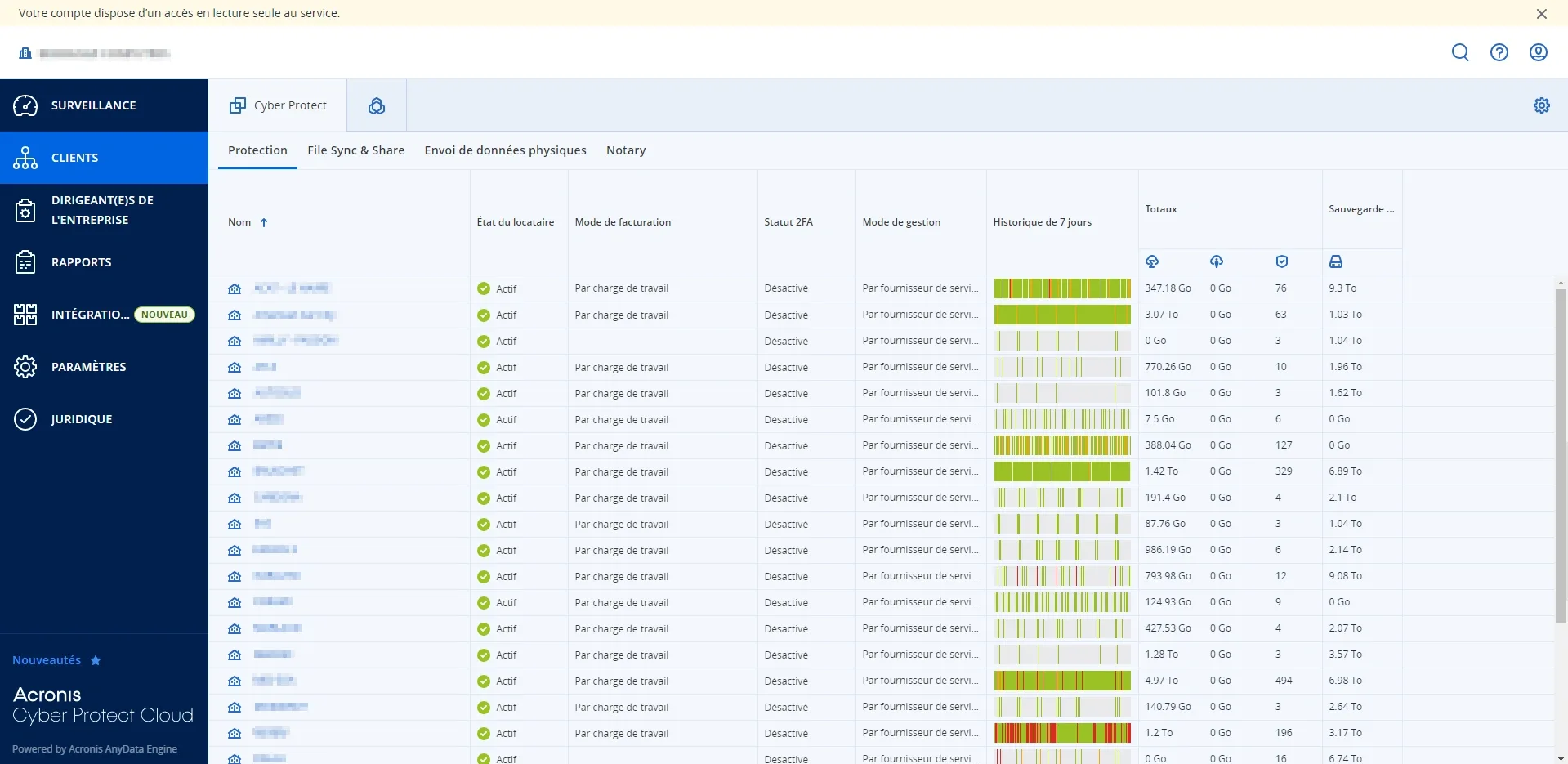

Daily backup monitoring at MIDRANGE GROUP: 105 protected endpoints across NAS and Acronis Cloud, 85 active alerts triaged, root causes identified (NAS full, plan corruption, network issues) and continuity restored.

Network perimeter security lab: pfSense 2.6 VM as LAN gateway, firewall rules blocking server internet access, Squid + SquidGuard transparent proxy with URL filtering, LightSquid reporting and internal CA for HTTPS inspection.
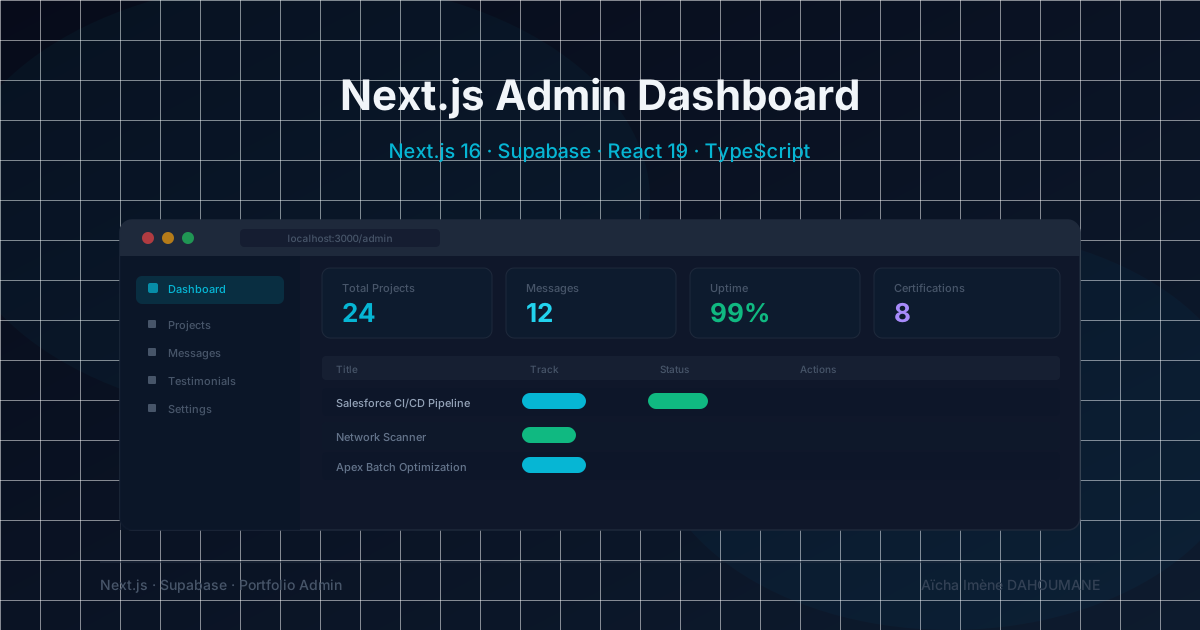

Secure admin dashboard protected by HTTP Basic Auth, powered by a Supabase service_role client. Visualize projects, contact messages, certifications and testimonials — no extra dependencies.
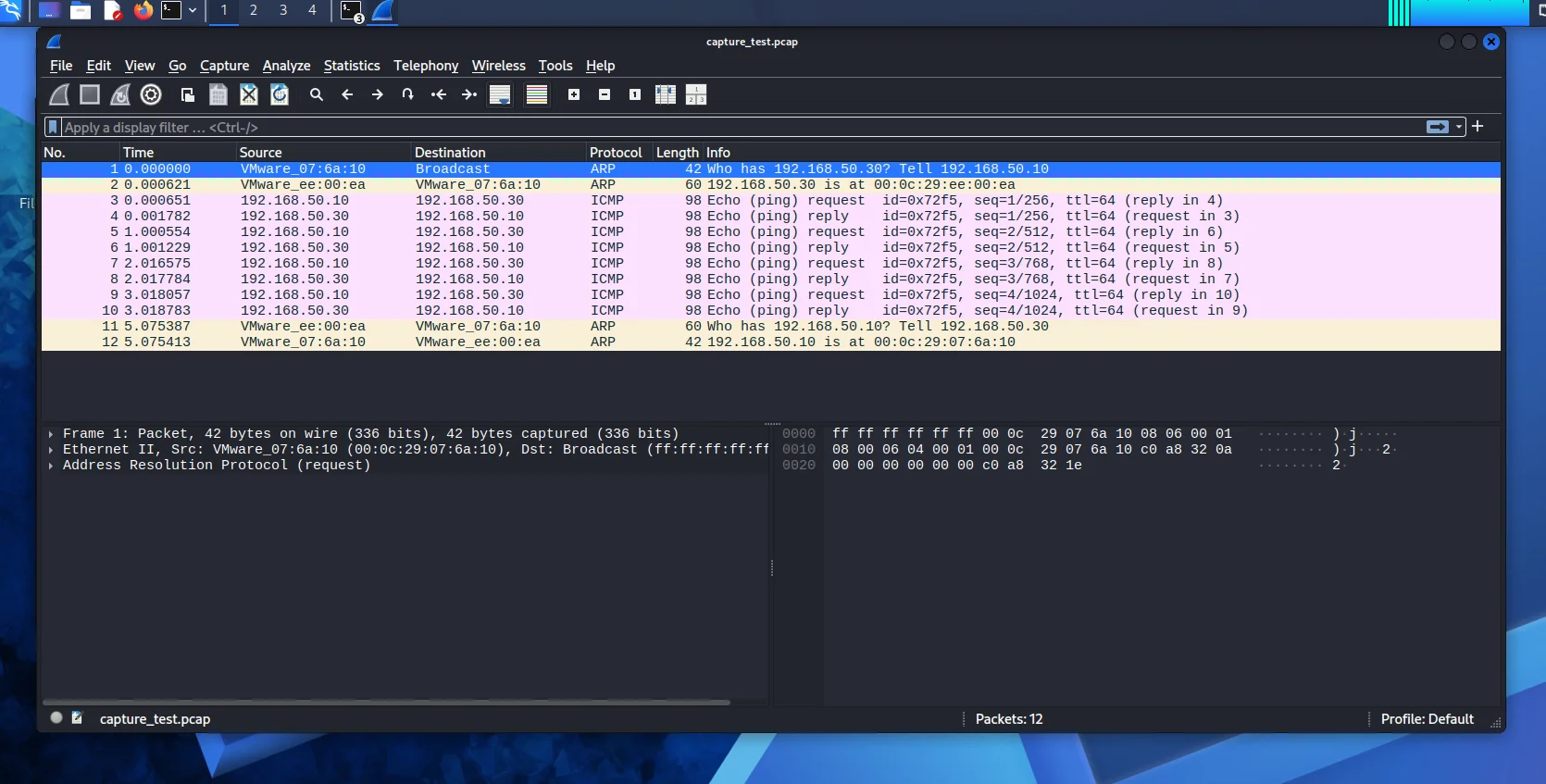

Captured and analyzed network traffic on an isolated lab to demonstrate why unencrypted protocols (HTTP, FTP) expose data in plaintext — including a custom Python sniffer built with Scapy.
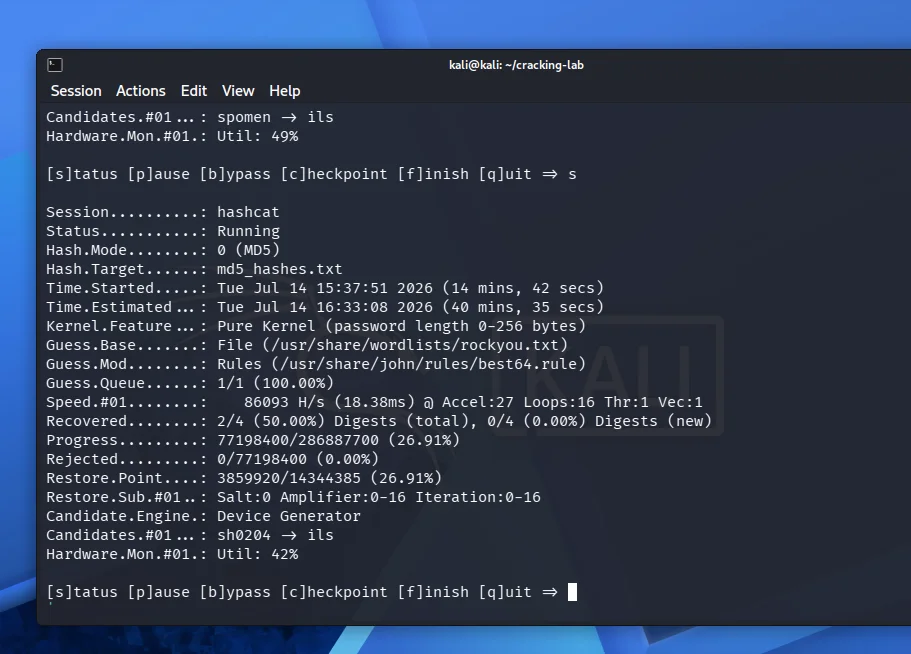

Hands-on study of password storage (hashing, salting, stretching) with John the Ripper and Hashcat, including a measured MD5 vs bcrypt benchmark and full troubleshooting of a GPU-less Hashcat environment.
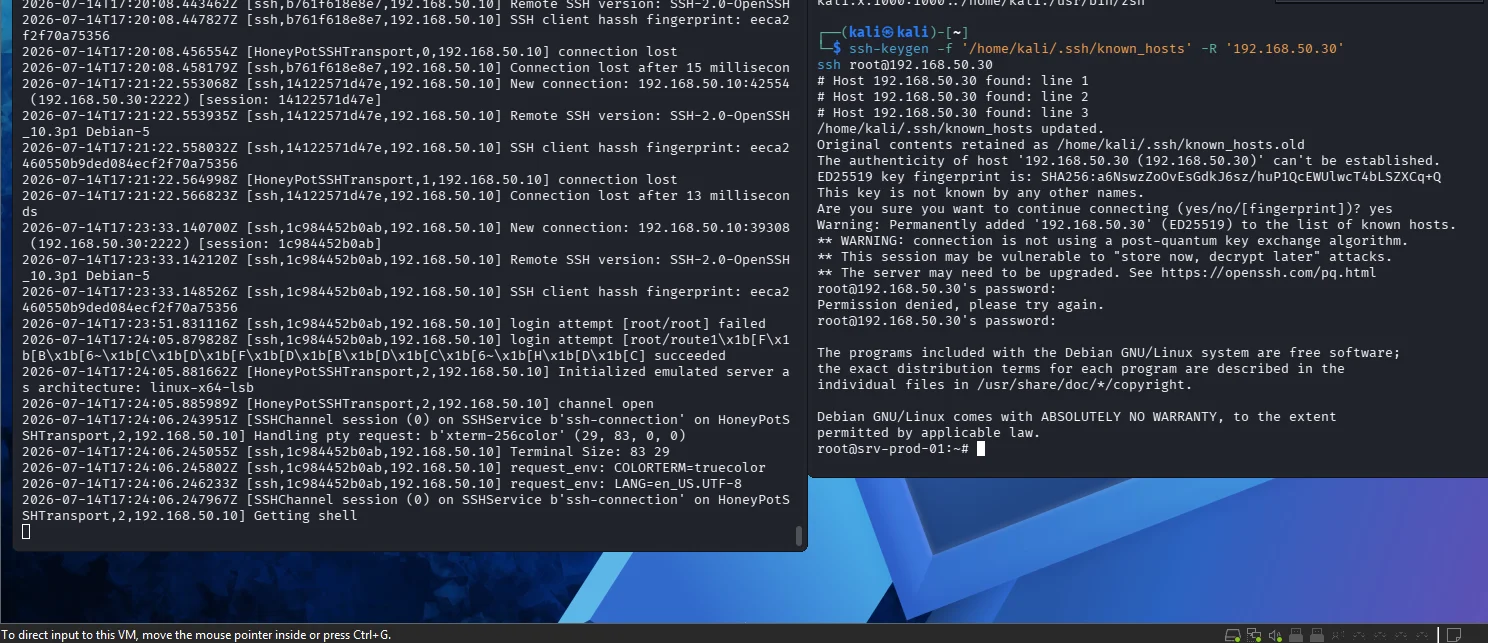

Deployed a Cowrie honeypot on an isolated VMware lab to capture, log, and analyze an SSH brute-force attack — including a full rebuild of the attacker machine after a real incident.


Scrum product backlog (20 user stories) and test plan for Avenir Télécom's field Lightning app, with real-time DeviQo integration and Dev Org hardening, then a Kanban evolutions backlog after an audit and a 3-month pilot.
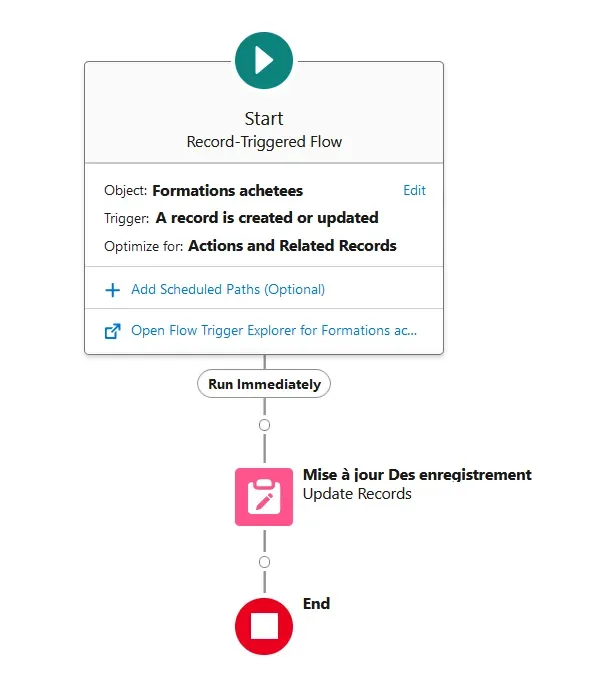

Internal quality audit and Salesforce modernization for Digit Learning: a new Purchased Training junction object to lift the "one student = one training" limitation, automated enrollment and mentor assignment, and 3 new management reports.
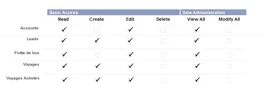

Salesforce Sales Cloud solution design for Tours for Life: Person Accounts for the Prospect → Traveler conversion, separate Trip / Purchased Trip / Bus Fleet objects, Flow automations (seat decrement, confirmation email) and a North/South role-based security model.
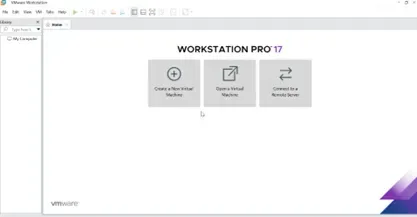

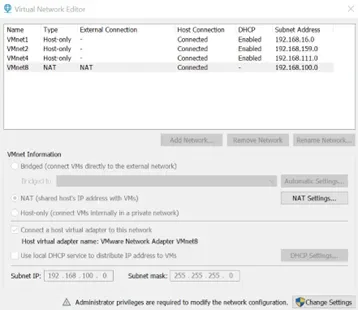
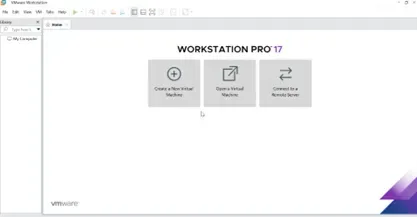
Full virtual infrastructure on VMware Workstation Pro 17: 4 VMs (DCAD22, SRVWIN22, SRVSAMBADEBI, CL10) running AD DS, DNS, DHCP, WDS and Samba file sharing on a private 192.168.100.0/24 LAN.
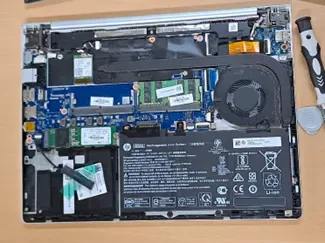

Full hardware upgrade of an HP laptop: sourced compatible 32 GB DDR4 RAM and 2 TB Samsung SSD, Acronis drive clone for zero data loss, disassembly and post-upgrade validation.
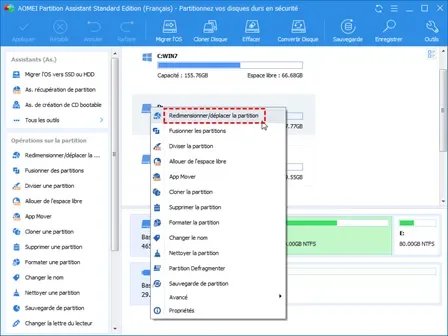

Backup strategy on VMs: partition resize with AOMEI Partition Assistant, full disk image with AOMEI Backupper Standard, and scheduled Windows Server Backup on a Windows Server 2012 VM.

Full workstation provisioning: clean Windows 10 install with custom partition, French OOBE configuration, then automated multi-app deployment using Ninite + Office 2016 in parallel.
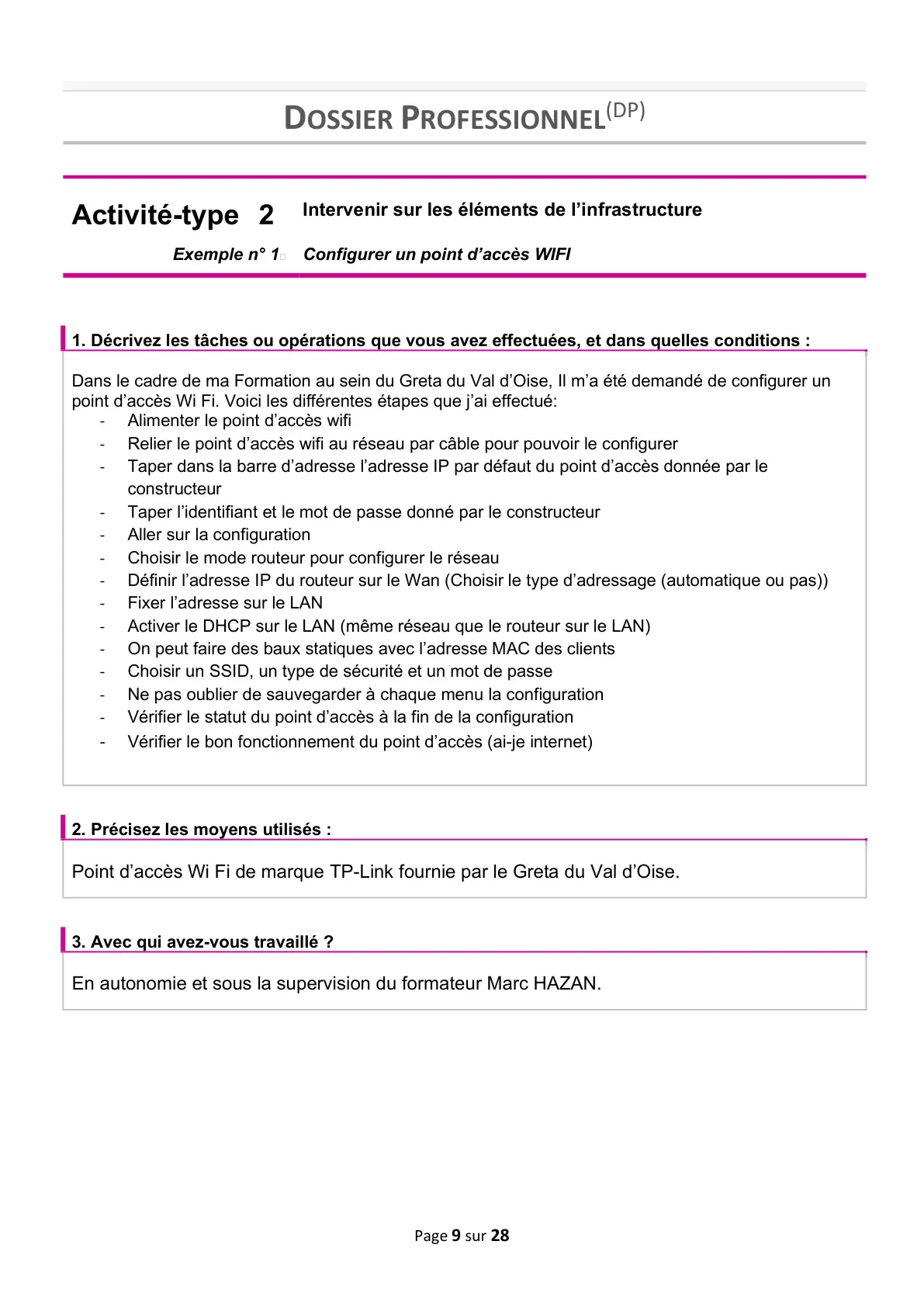

End-to-end TP-Link AP setup: WAN/LAN addressing, integrated DHCP server, SSID + WPA2-PSK security hardening — validated with a test device obtaining DHCP and reaching internet.
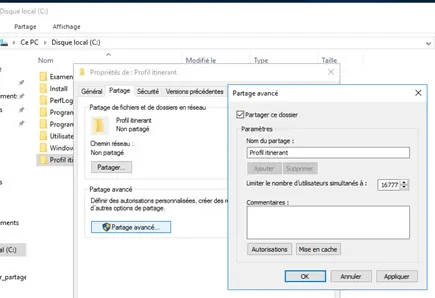

Roaming profile infrastructure on ebtai.fr domain: shared folder with Modify permissions for EBTAI\Utilisateurs, AD profile path configured, and profile auto-creation validated on user login.
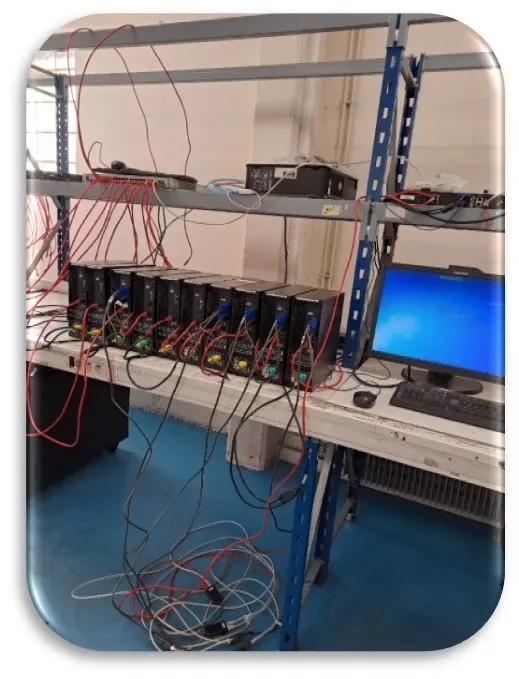

Full procurement workflow for a mid-range workstation: requirements analysis, B2B component research (LDLC Pro, Materiel.net), compatibility validation, and Excel quote under 1 000 € ex-VAT.
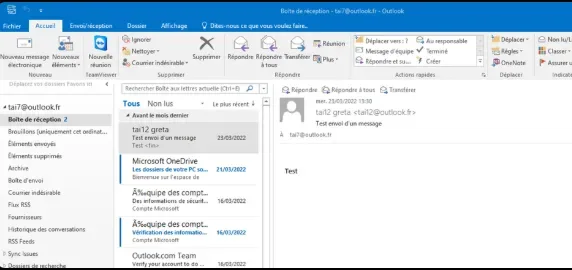

Day-1 user onboarding scenario: Outlook 2016 account auto-configured via Exchange ActiveSync (tai7@outlook.fr), bidirectional test email validated — inbox ready in under 5 minutes.
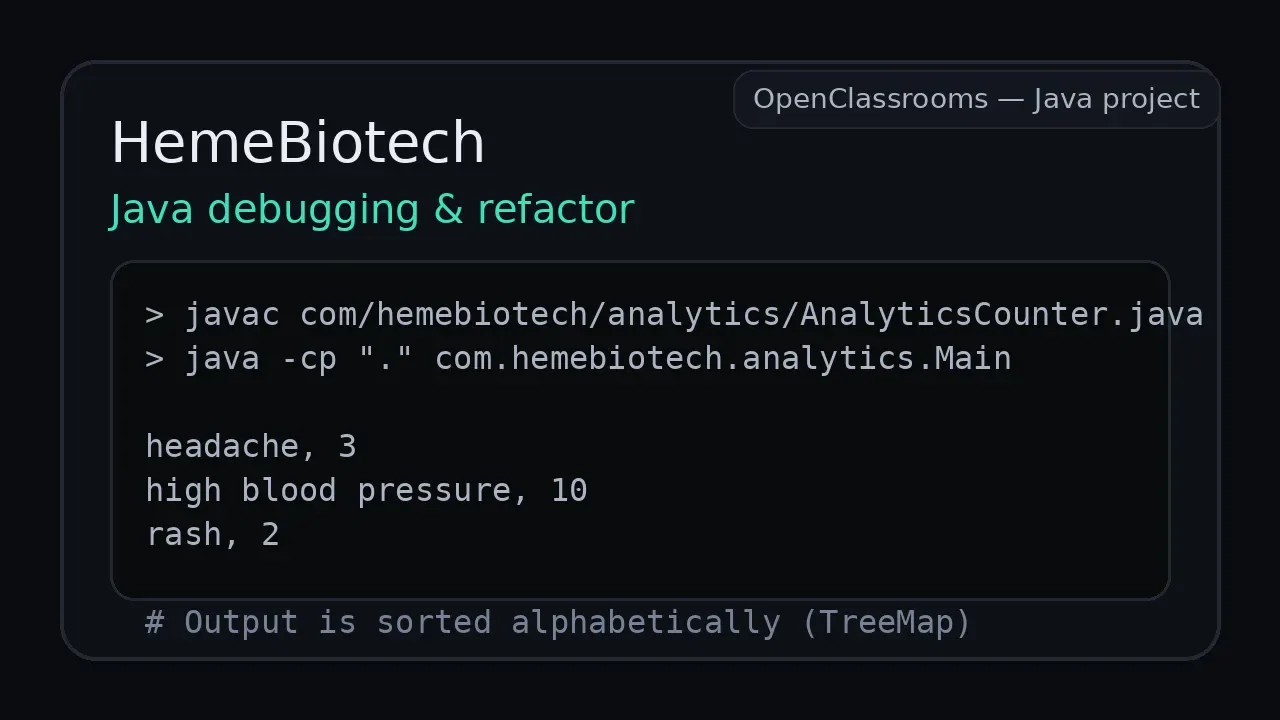

Bugfix and refactor of a Java symptom analytics app: correct counts, alphabetic output, and a maintainable OOP architecture.

TDD-driven feature delivery (30-min free parking + 5% recurring discount), bugfixes and a full unit + integration test suite with JaCoCo/Surefire evidence.
Single-page, mobile-first UI built from functional specs and wireframes: book search/add, list display/removal, DOM updates and Fetch-based API integration.
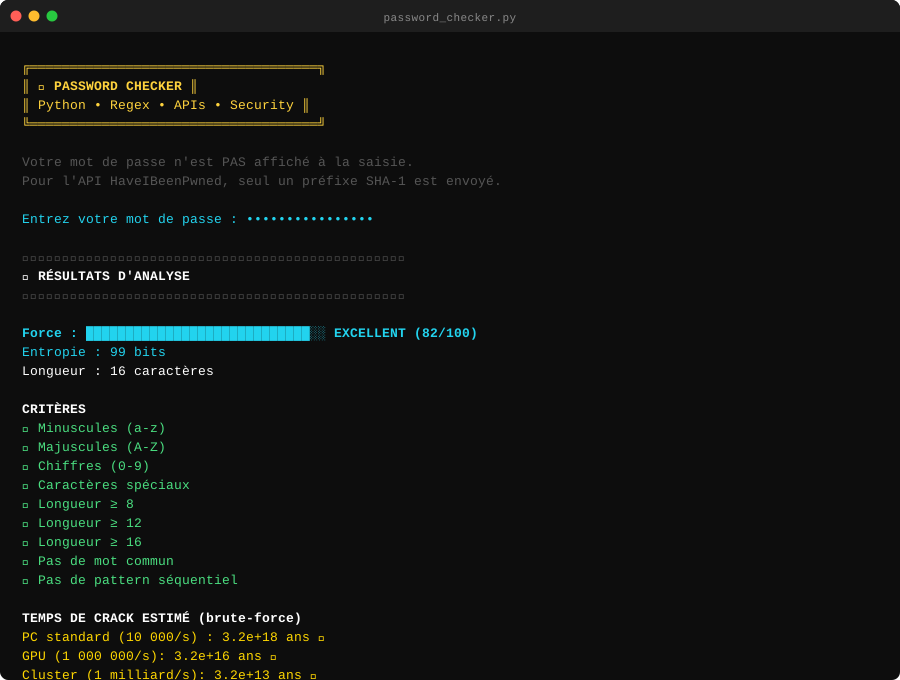

CLI tool scoring password strength via entropy calculation, regex pattern detection, dictionary matching, and a HaveIBeenPwned API check using k-anonymity.
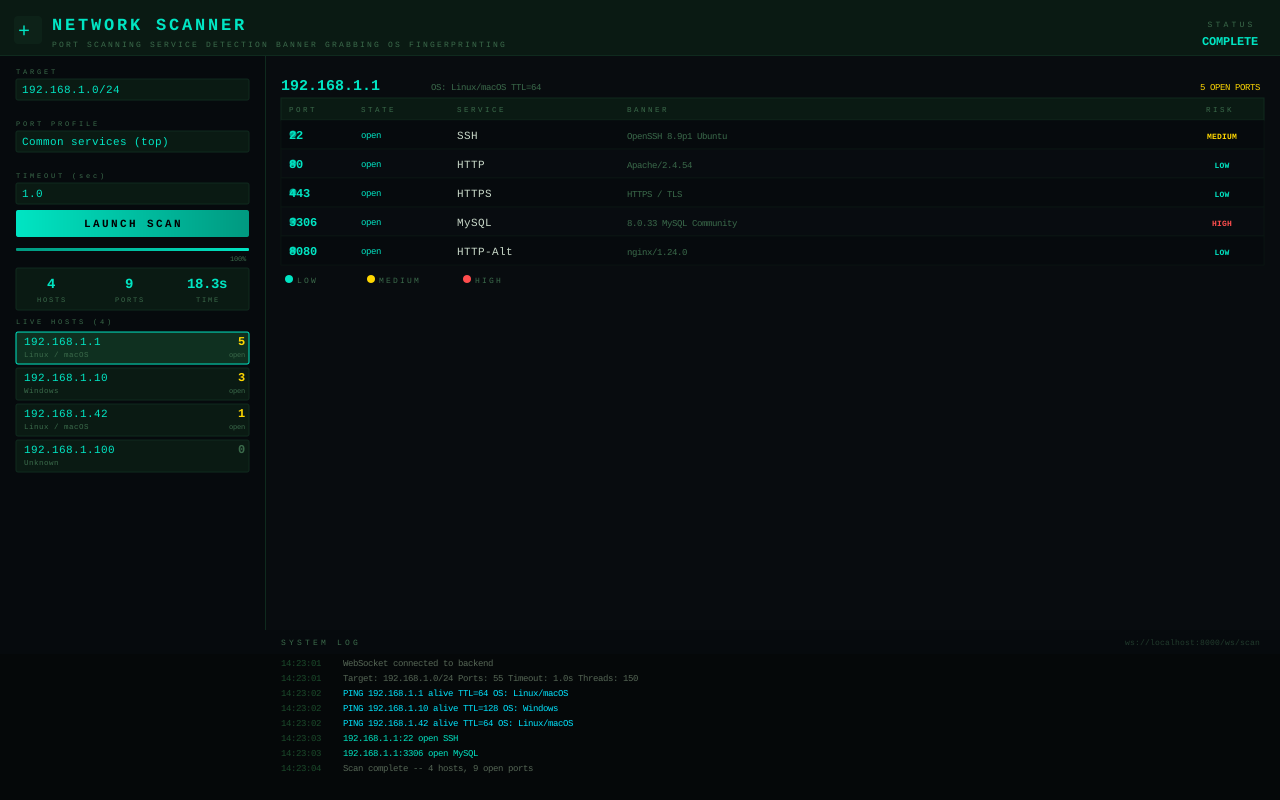

Real-time local network scanner: FastAPI backend with WebSocket streaming, concurrent port scanning, service & risk detection, and a React/Vite frontend.


Python CLI tool that runs modular vulnerability assessments (network, system, web) and generates self-contained HTML reports with CVSS v3.1 base scores, risk-prioritized findings, and JSON export for SIEM/ticketing integration.
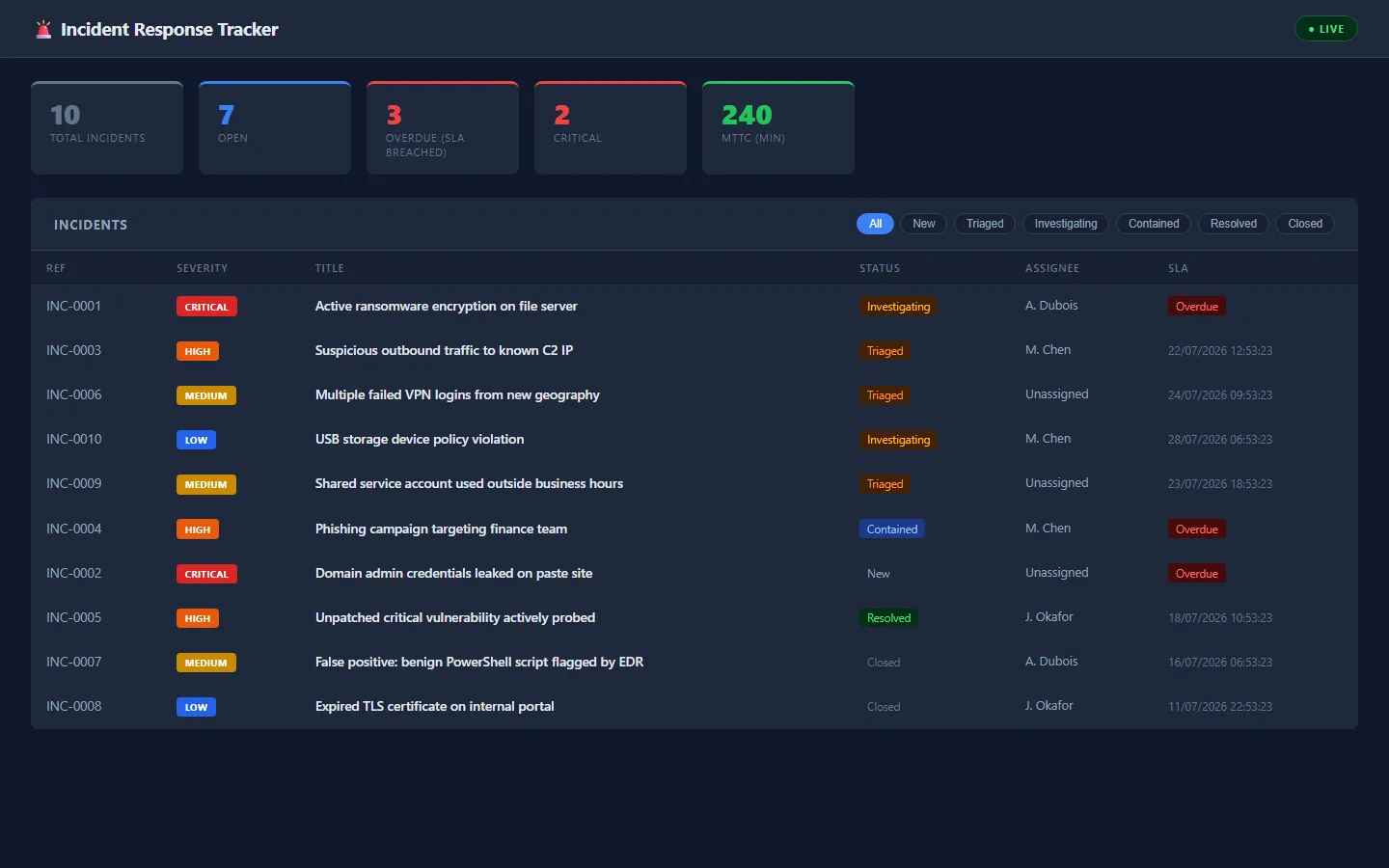

Ticketing workflow for security incidents enforcing a strict lifecycle via a state machine, a per-severity SLA clock, and a timestamped audit trail of every status change, comment, and assignment.
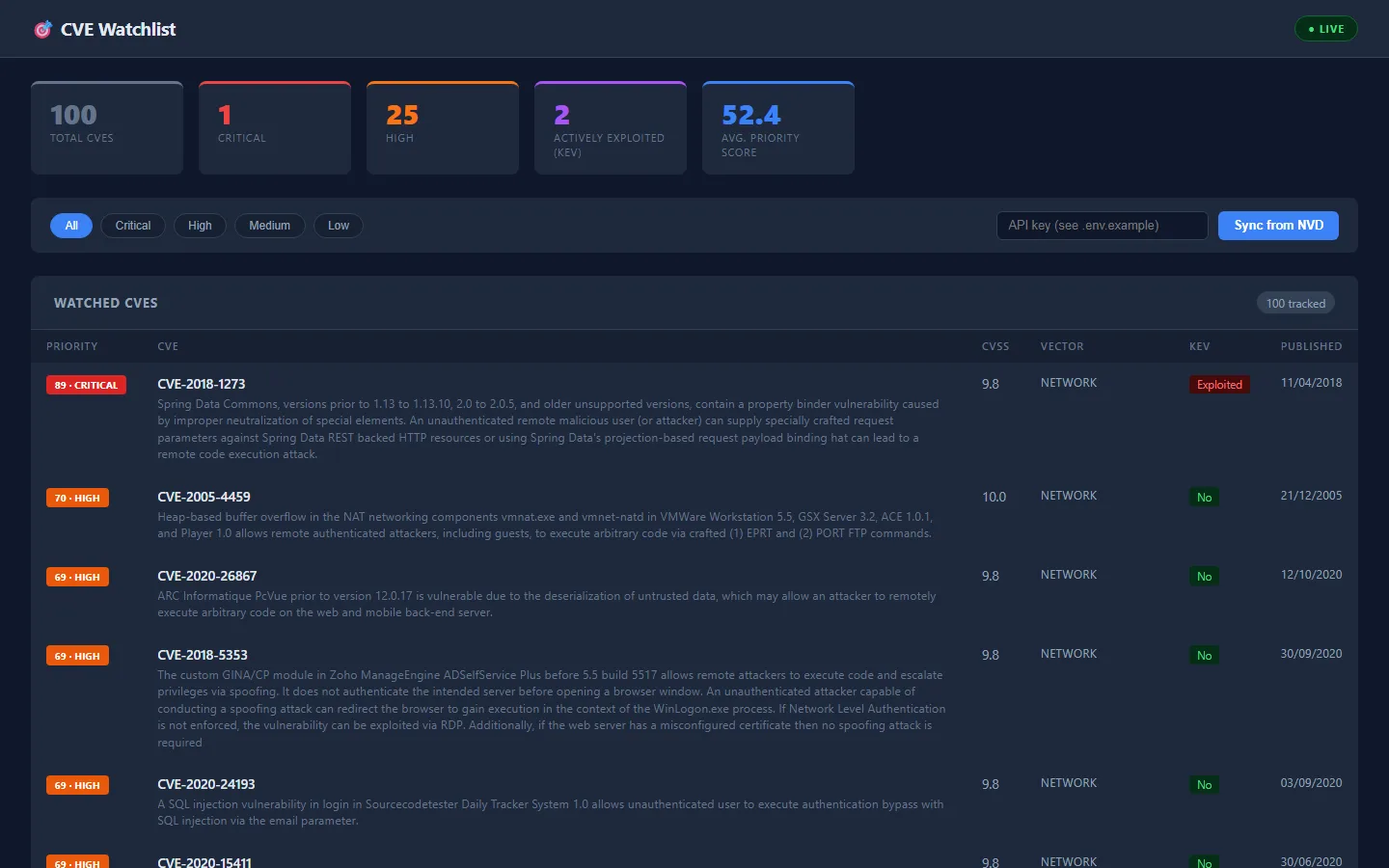

Vulnerability triage dashboard syncing real CVE data from the public NVD API, ranked by a transparent priority-scoring engine that cross-references CVSS severity with CISA's Known Exploited Vulnerabilities (KEV) catalog.
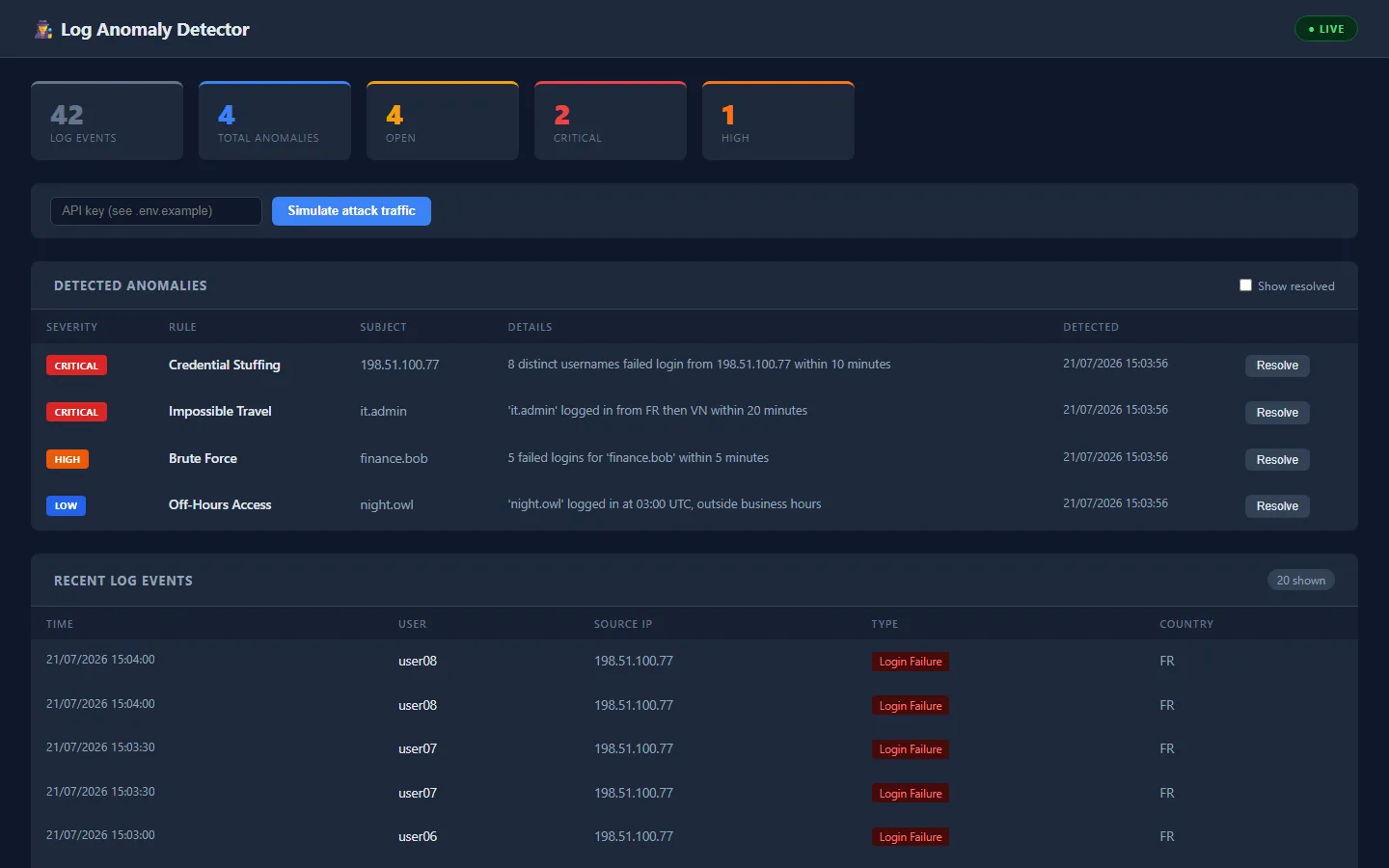

Rule-based detection engine for authentication logs, surfacing brute-force attempts, impossible-travel logins, credential-stuffing bursts, and off-hours access — each rule a pure, unit-tested function with zero I/O.


A set of structured playbooks designed for SOC teams and IT admins covering the 6 most common cybersecurity incidents. Each playbook follows the full IR lifecycle: Detection → Triage → Containment → Eradication → Recovery → Lessons Learned.
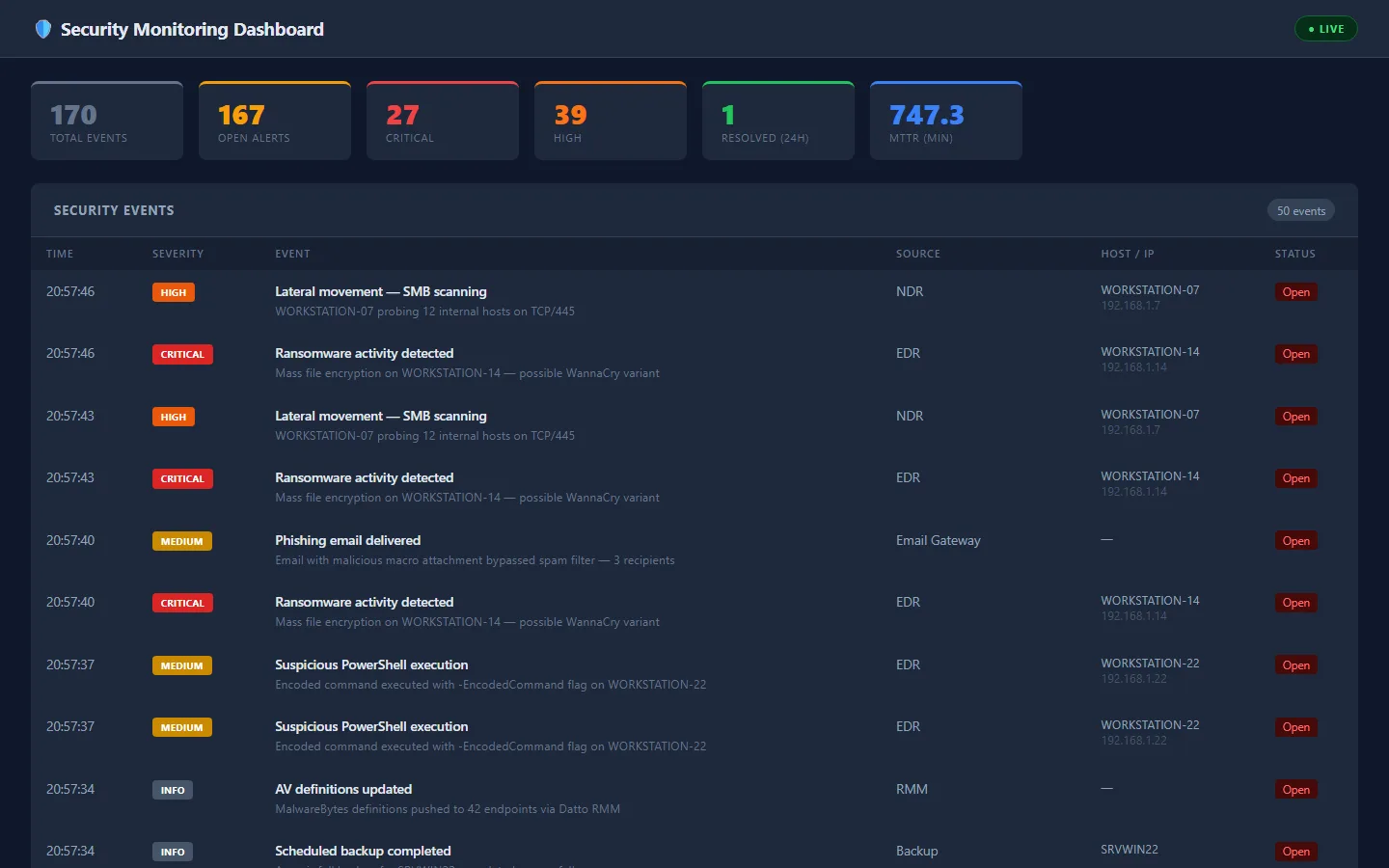

Full-stack security monitoring dashboard built with FastAPI and React/TypeScript. Streams security events in real time via WebSocket, classifies alerts by severity, and tracks MTTR — now with SQLite persistence, API-key-protected ingestion, and a Pytest test suite.


Ground-up rebuild of an earlier risk-matrix prototype: a vanilla-JS risk register with a live 5×5 Likelihood × Impact heat map, persisted client-side via localStorage, plus a tested Python CLI for bulk import and HTML report generation.


Unified risk register combining three sources under one Likelihood × Impact scoring engine: STRIDE threat modeling per application component, vendor/third-party risk scored by a transparent heuristic, and an incident log that suggests a probability recalibration over a rolling 12-month window — never applied without an explicit click.